

Sospiros Vibrato was conceived as an olfactory interpretation of musical vibrato, a subtle wavering in pitch that adds richness and emotion to a note. The perfumer set out to capture that sensation in fragrance form, creating a composition that would not remain static but instead oscillate gently between different facets, offering an experience that feels…

How Multisensory Stimuli Create Stronger Memories
The Science Behind Multisensory Integration Multisensory integration is the brain’s remarkable capability to gather, combine, and process information coming from different sensory channels—sight, hearing, smell, taste, and touch—into one coherent experience. This process is not random; it takes place in specialized neural hubs, including the superior colliculus and various areas of the cerebral cortex, where…

How Extraction Methods Influence Fragrance Quality
The Science Behind Fragrance Extraction Fragrance extraction is the process of isolating aromatic compounds from natural sources such as flowers, herbs, fruits, and resins. This process requires a deep understanding of chemistry, as different aromatic molecules respond uniquely to temperature, pressure, and solvents. The goal is to capture the essence of the raw material in…

From Field to Factory: The Journey of Natural Ingredients
Harvesting and Sourcing Natural Ingredients The journey of natural ingredients begins in fields, forests, or carefully managed farms where plants, herbs, and other raw materials are cultivated or collected. Farmers and gatherers often rely on generations of knowledge to determine the best seasons and conditions for harvesting. Factors such as soil quality, climate, and plant…

The Role of Certifications in Building Consumer Trust
Understanding the Link Between Certifications and Consumer Confidence Certifications play a crucial role in bridging the gap between businesses and their customers by serving as an independent confirmation of quality, safety, or ethical practices. When consumers see a recognized certification label, they often feel reassured that the product or service has been vetted by a…

Global Standards in the Fragrance Industry: What You Need to Know
Evolution of Fragrance Industry Regulations The fragrance industry’s regulatory journey spans more than a century, moving from minimal oversight to complex, multi-layered compliance systems. In the early days of perfumery, production was largely unregulated, and manufacturers relied on their own quality control methods. This meant that safety testing was often inconsistent, and ingredient use varied…
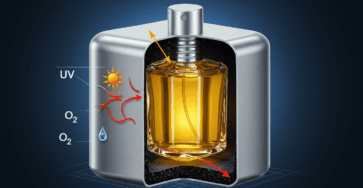
Paris Montale Perfume: The Physics of Anodized Aluminum in Preventing Degradation
The canister of a paris montale parfum is an icon of defiance in a world dominated by transparent glass. This stark, metallic cylinder is not an arbitrary design choice but a deliberate application of material science, engineered to combat the inevitable decay that threatens every fragrance. Within the fragile walls of a typical perfume bottle,…
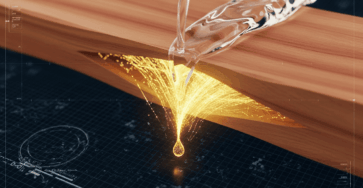
Supercritical CO2 Extraction of Wood: Obtaining Scents Without High Temperatures
Within every piece of wood lies a silent, complex story told in the language of aromatic molecules. For centuries, perfumers have sought to translate this story, but their primary tool has been the blunt instrument of steam distillation. This method, a process of intense heat and pressure, essentially shouts at the wood until it gives…

The Givaudan Carto Algorithm: Is AI Creating the Perfumes of the Future?
The world of the master perfumer is one steeped in tradition, intuition, and artistry. It is a realm where human experience, honed over decades of practice, is the most valuable tool for transforming a palette of scents into a wearable masterpiece. For centuries, this creative process has remained largely unchanged, but now, a powerful new…

Chirality in Perfumery: Why Twin Molecules Smell Different
Scent speaks a secret language, one that bypasses logic and connects directly to our deepest emotions. We tend to describe this experience with the language of art and poetry, yet its foundation is built upon the unyielding laws of physics and geometry. The entire universe of aroma boils down to a single, elegant principle: the…